2025–2026 USIYPT
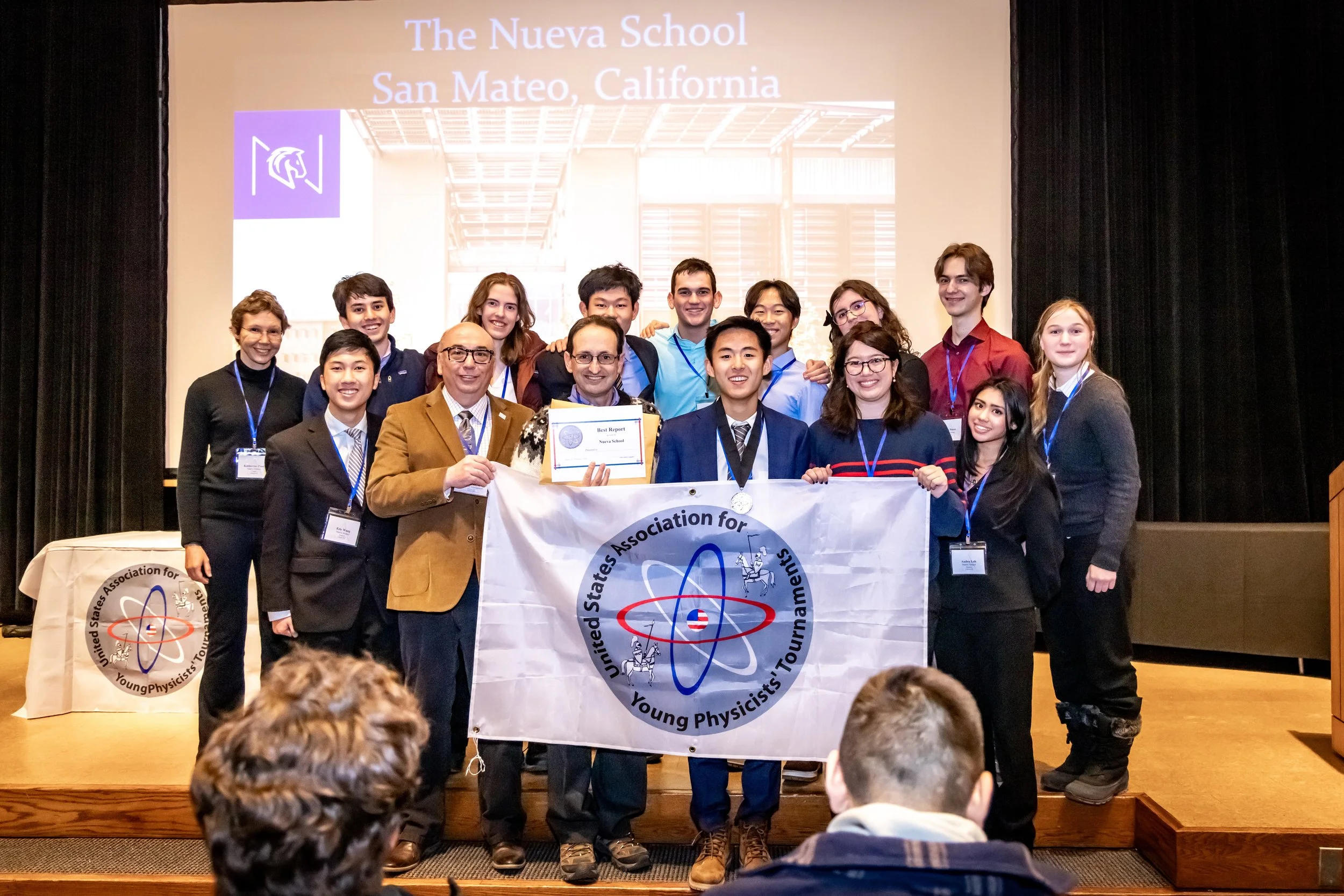
In February of each year, four physics problems are released to teams of high school students around the globe, who spend the following months performing careful mathematical and computational analysis of the scenarios, corroborating their findings with myriad experiments. Then, at the end of January, these teams meet at the United States Invitational Young Physicists Tournament (USIYPT). There, the teams engage in “physics fights” where they present their research and challenge each other’s findings in an attempt to seek the truth.In late January 2026, 11 other students, two mentors, and I represented my high school at the competition hosted by Phillips Academy Andover. By combining our months-long research and our presenters’ efforts with strategic information scouted between rounds, we secured second place in the tournament.
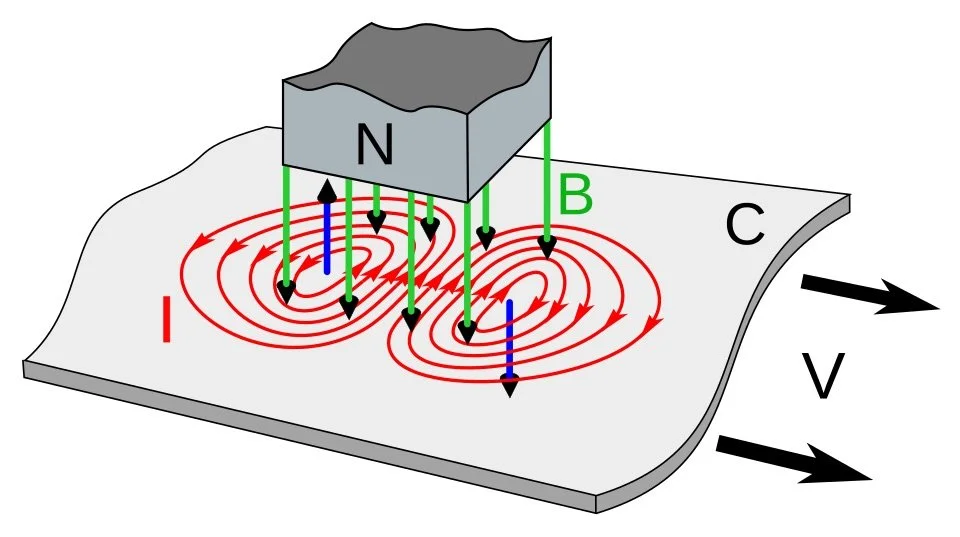
For this last competition, I worked on the eddy currents problem:
“When a permanent magnet moves relative to a nonmagnetic conductor, eddy currents are induced and a force pair arises that tends to oppose the relative motion. Explore this phenomenon theoretically and experimentally, with particular attention to the magnitude of the force and its dependence on speed. Consider at least an azimuthally symmetric magnet moving through a cylindrical tube, but feel free to include other geometries, and the effect of parameters other than speed.” (Credit: USAYPT)
On the team, I was responsible for experimental apparatus design, testing, data collection, and analysis, along with helping create the mathematical theory to predict the magnet’s motion.
Credit: Wikipedia
I devised an apparatus to measure the terminal velocity of a magnet falling down a tube, adaptable to a variety of geometries of magnets and tubes. It featured a magnet in a bushing, with a weight plate below, and an ultrasonic sensor at the bottom to measure its position. We then calculated the terminal velocity as a function of mass.
I built an apparatus to measure the strength of the magnetic field. With a magnetic field sensor on one end, an ultrasonic distance sensor on the other, and a magnet on a cart in the middle, I moved the cart to measure the magnetic field as a function of distance. I fit the data to our team’s multipole expansion model to estimate the magnetization.
I built a disc brake to examine applications of eddy currents in engineering. It measured angular velocity as a function of time and featured adjustable magnet and disc positions to examine a variety of braking scenarios. With a pulley, I spun the disc up and then tracked the braking force over a 60-second period.
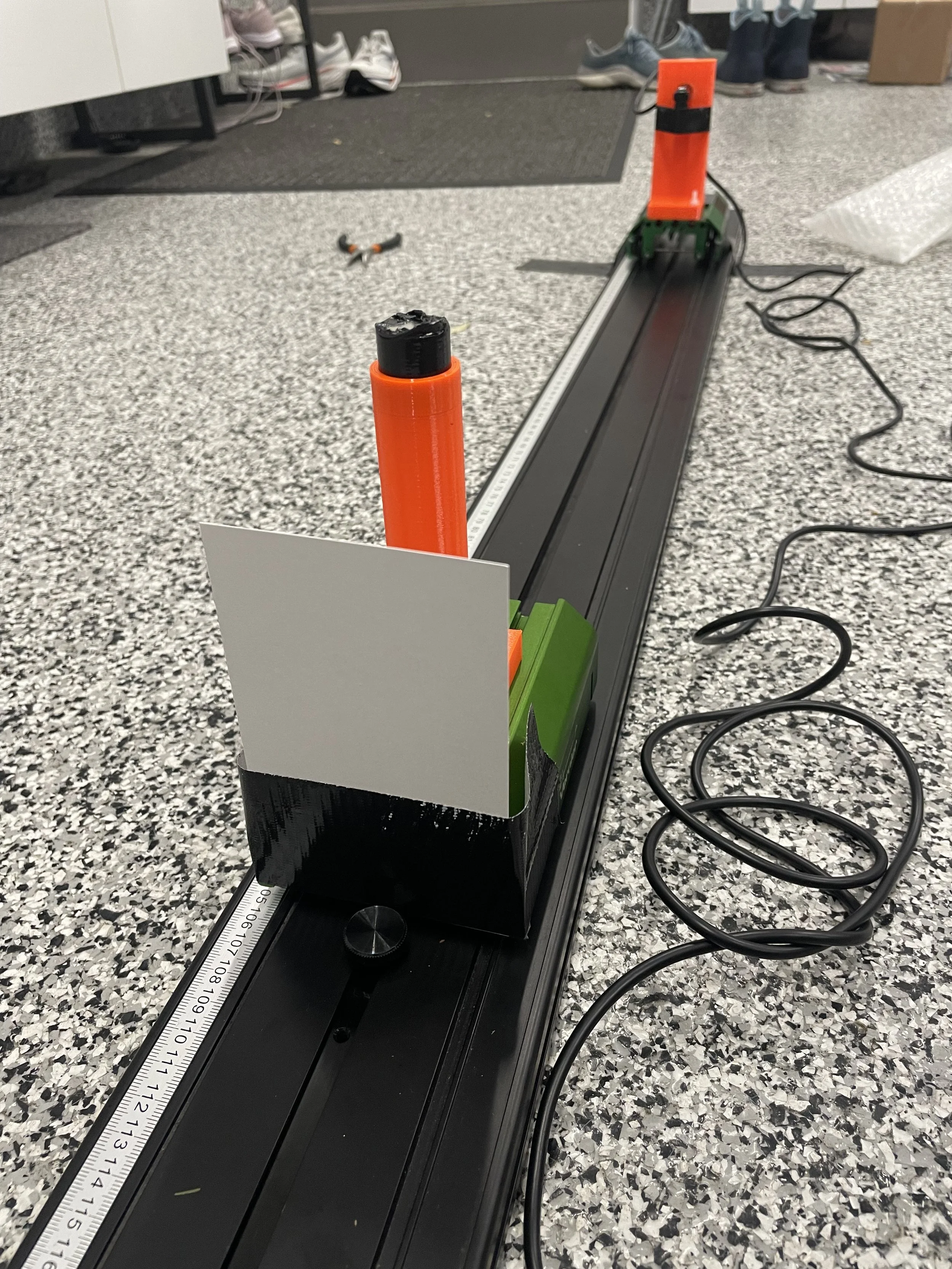
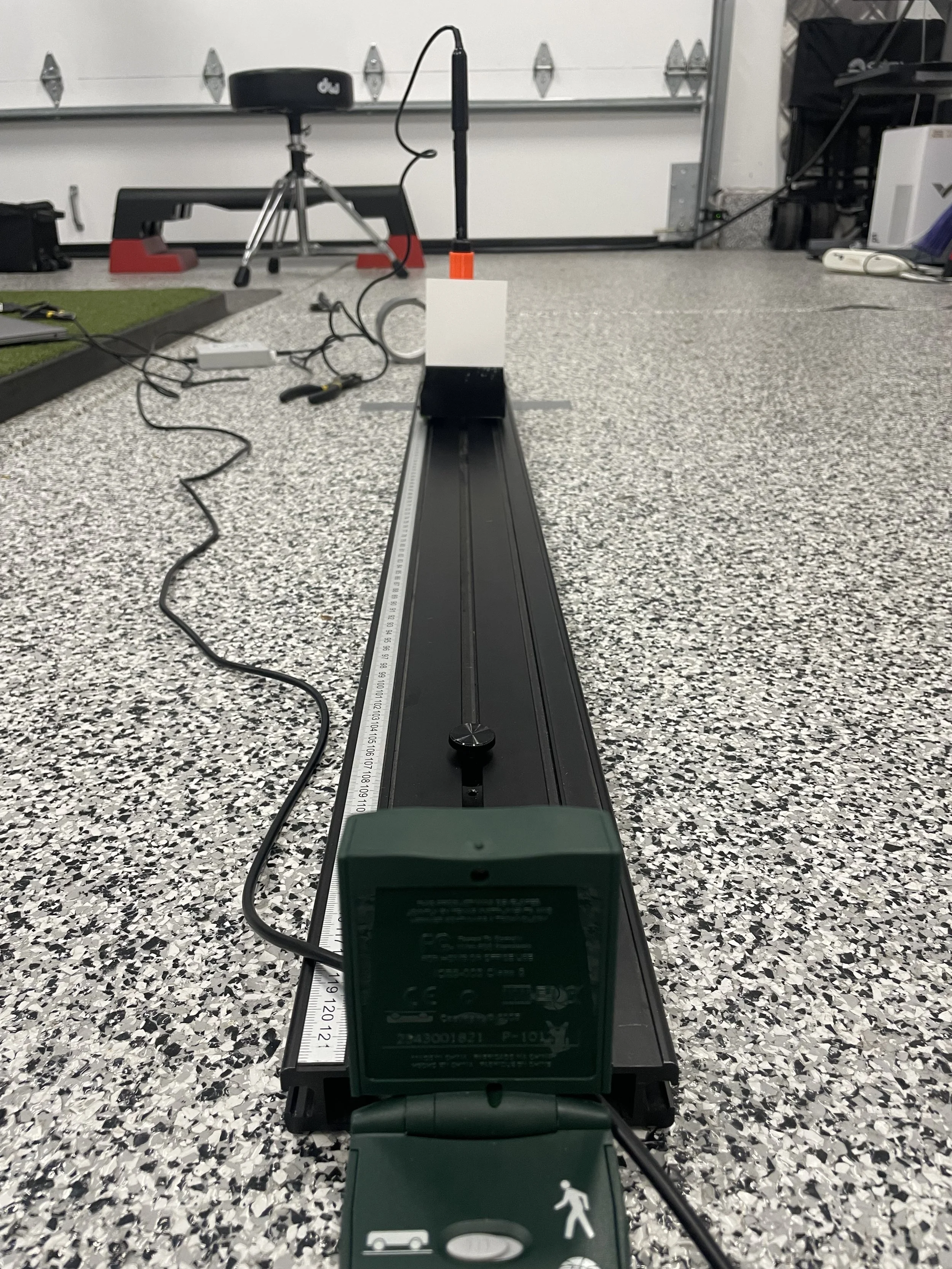
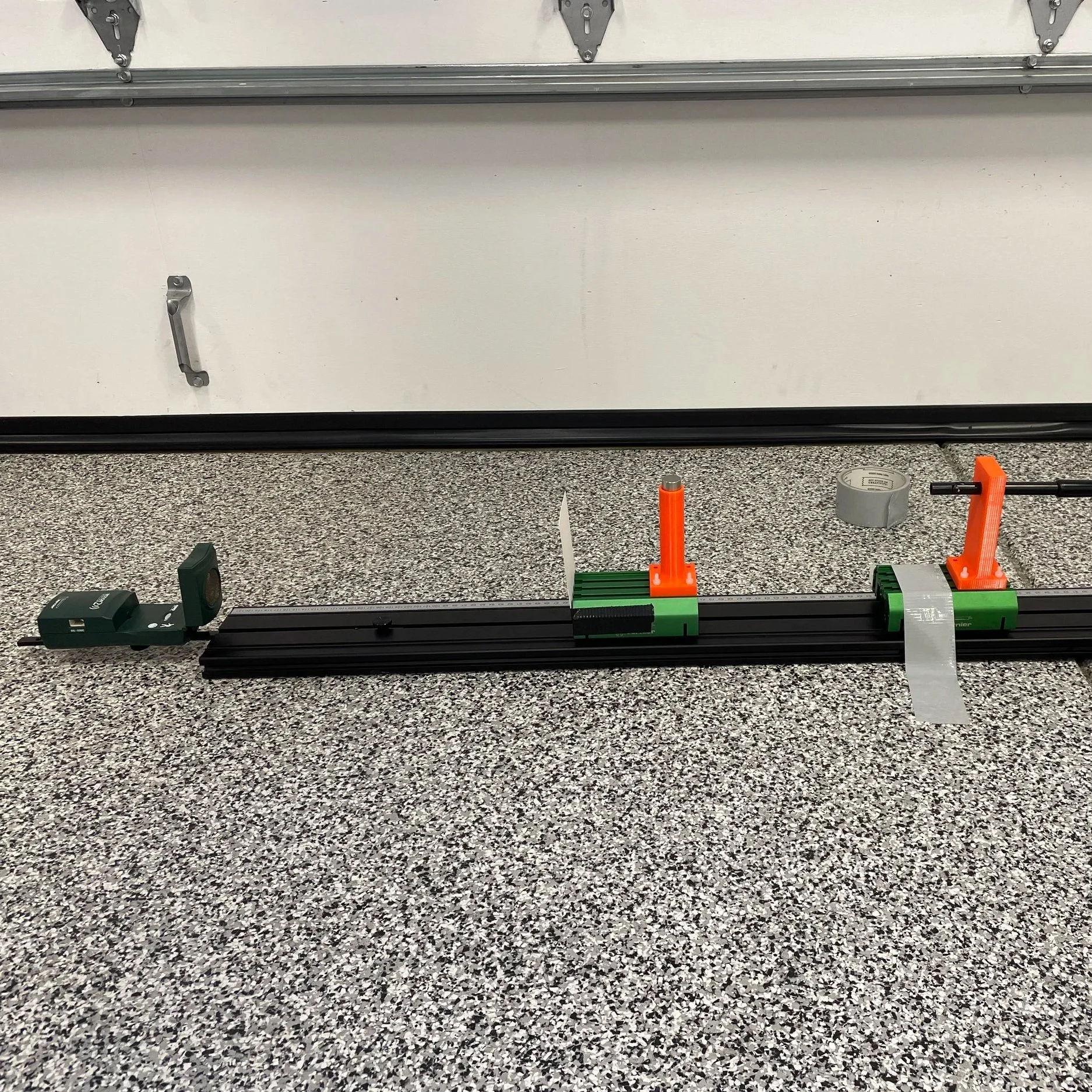
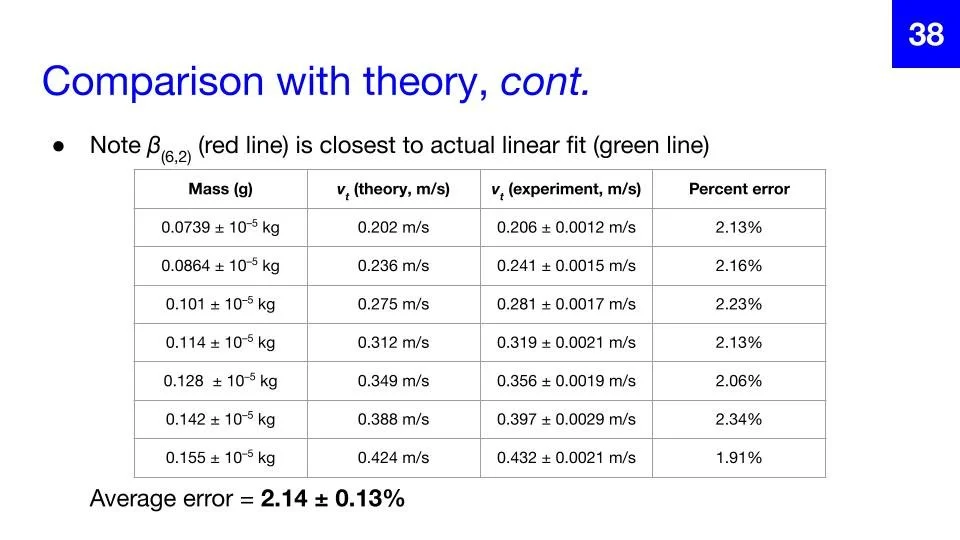
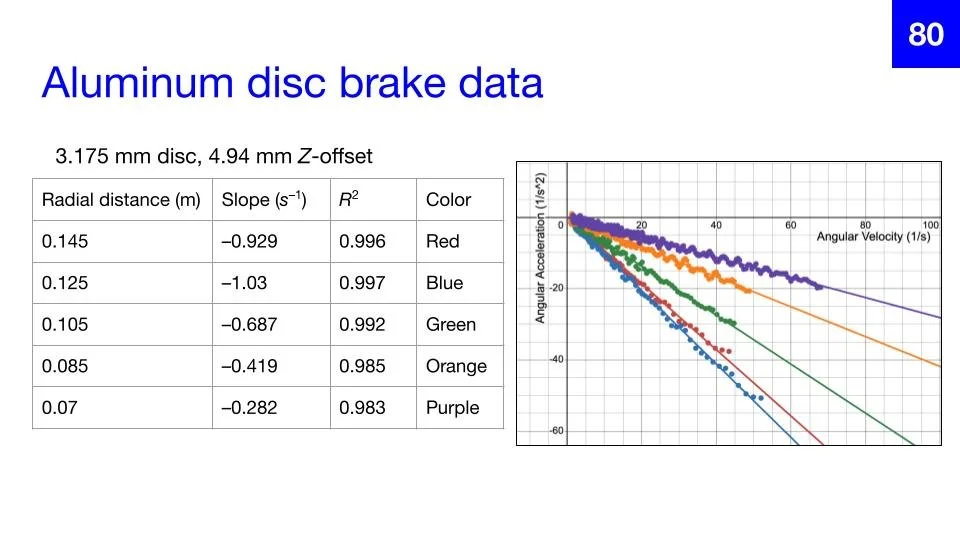
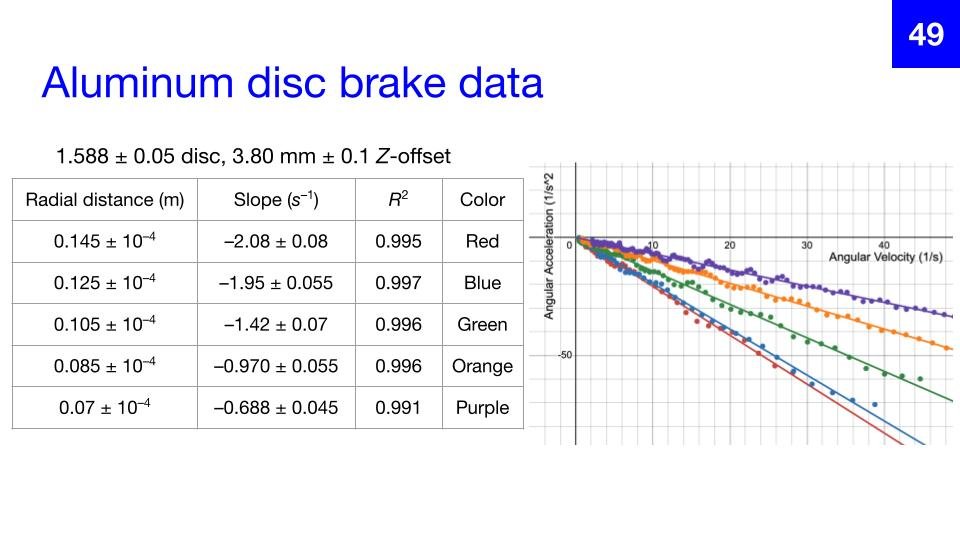
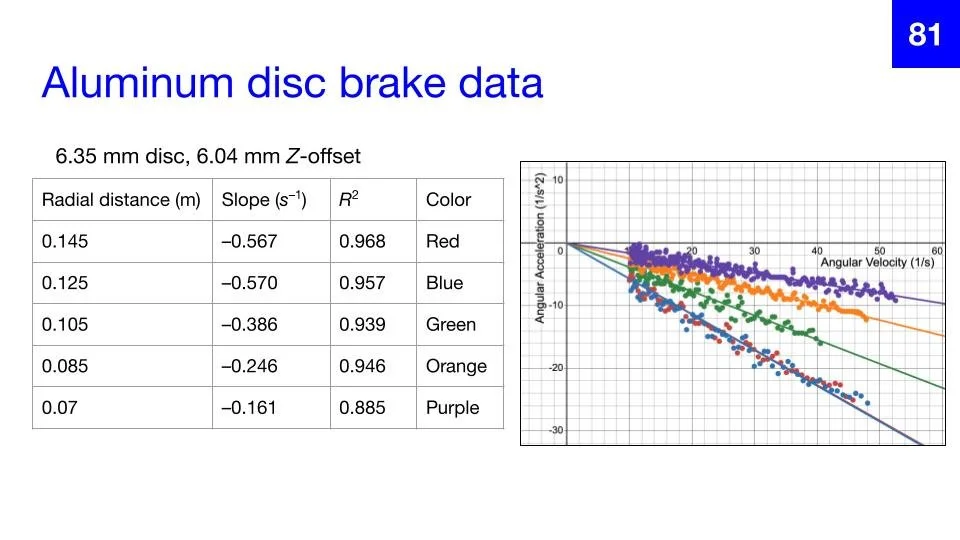
With my apparatuses and the data I gathered on many late nights in my garage in December, we verified our team’s multipole expansion model. We successfully demonstrated the linear relationship between magnet velocity and braking force, for both the magnet in the tube and the disc brake, to a high degree of accuracy (about 2% error and high R² values). To the right are the data from some of the slides in our presentation at the competition. Slide 38 is for the tube; slides 49, 80, and 81 are for the disc brake.
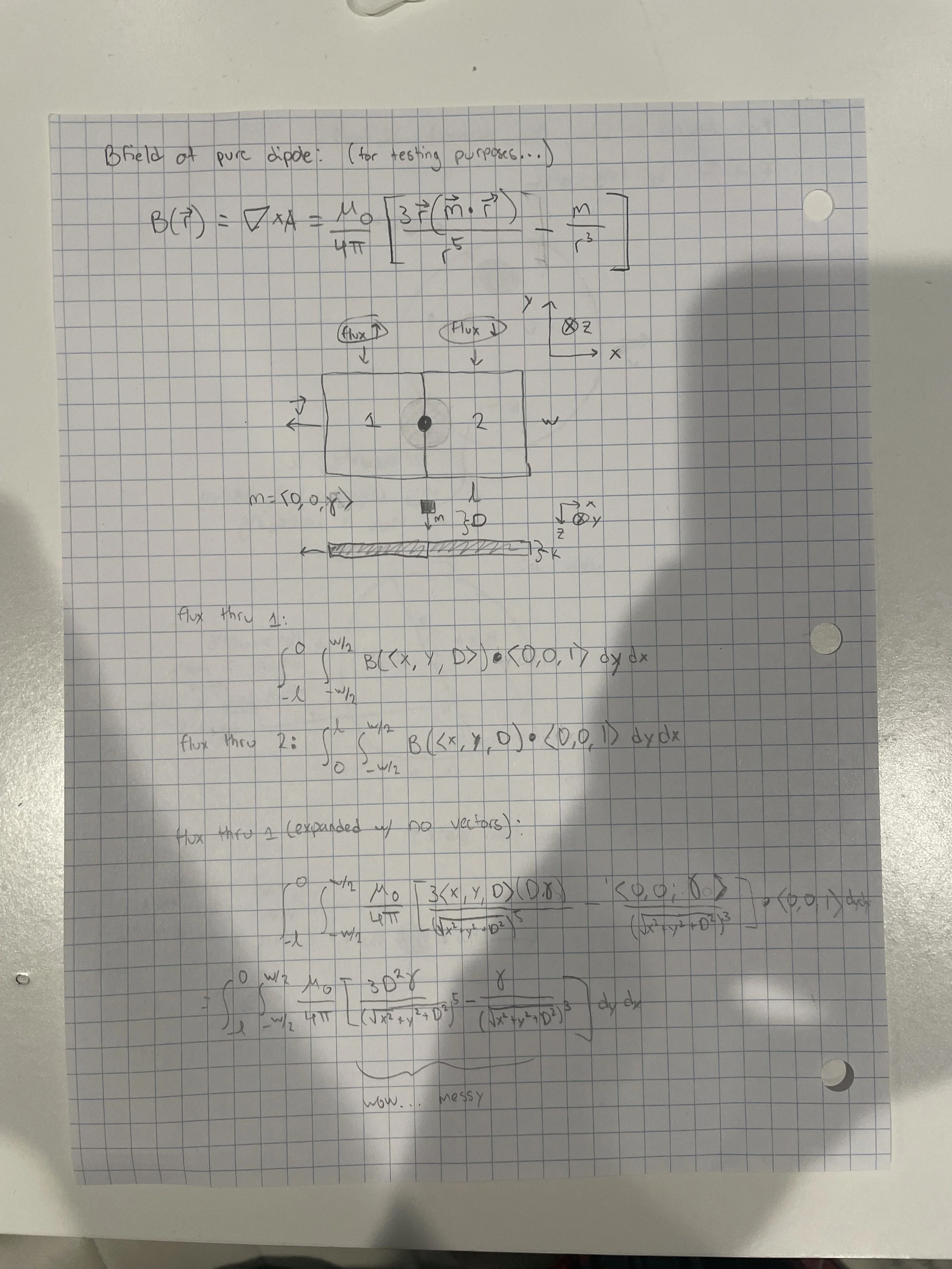
I also worked on the mathematical model. I attempted to find the braking force by discretizing the disc into small rectangles. After many late-night brainstorming sessions, we determined that the best result discretization could give us would be only a rough numerical approximation, and the ideal solution would be to use Maxwell’s partial differential equations (PDEs) to model the deceleration of the disc accurately, first mathematically and then computationally. This proved useful in our competition strategy because we could question other teams’ solutions that did not use these PDEs and investigate those solutions further. You can see some of my doodles and ideas to the left. I think this work really helped me prepare for the PDEs in my rocketry project.
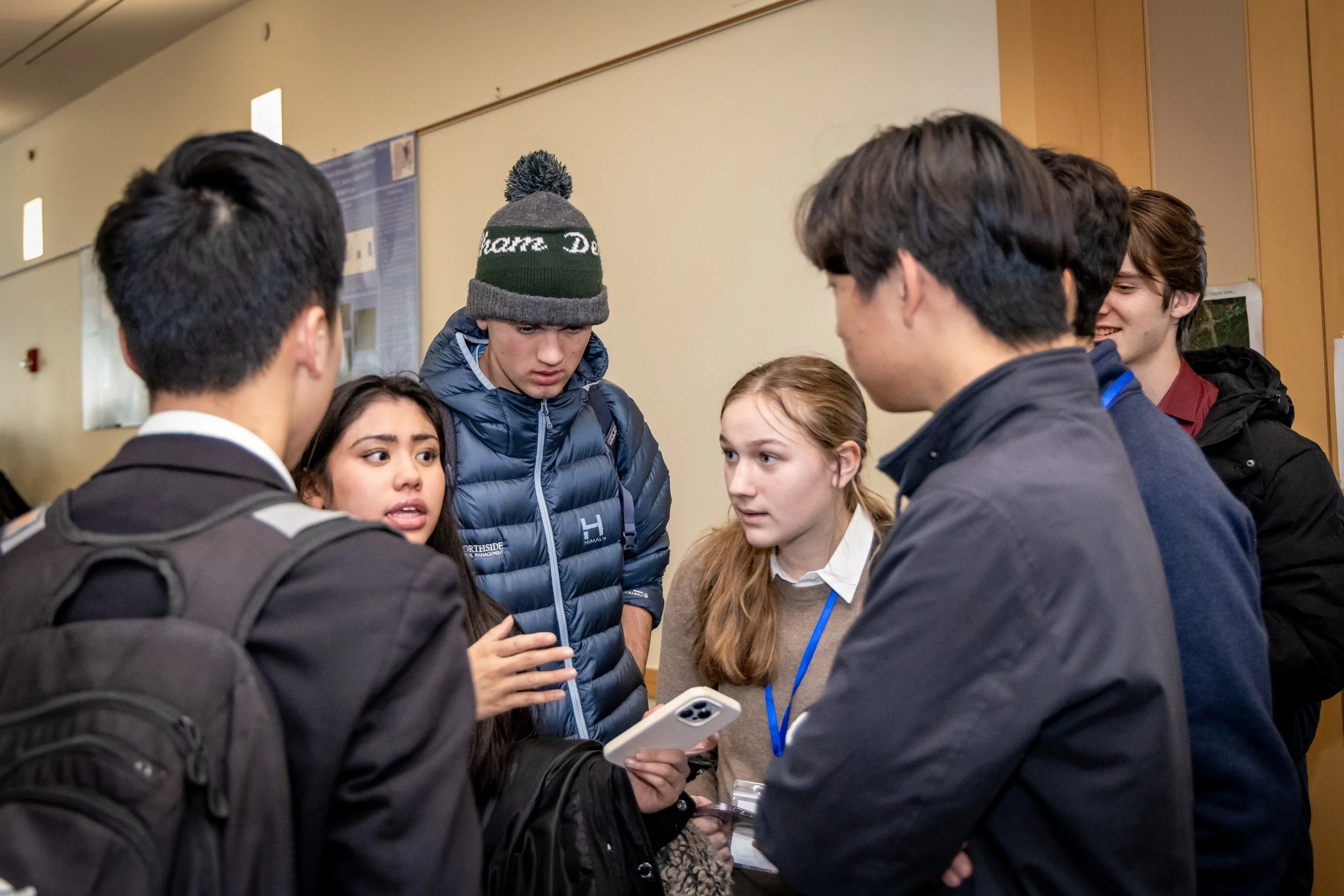
Team in action
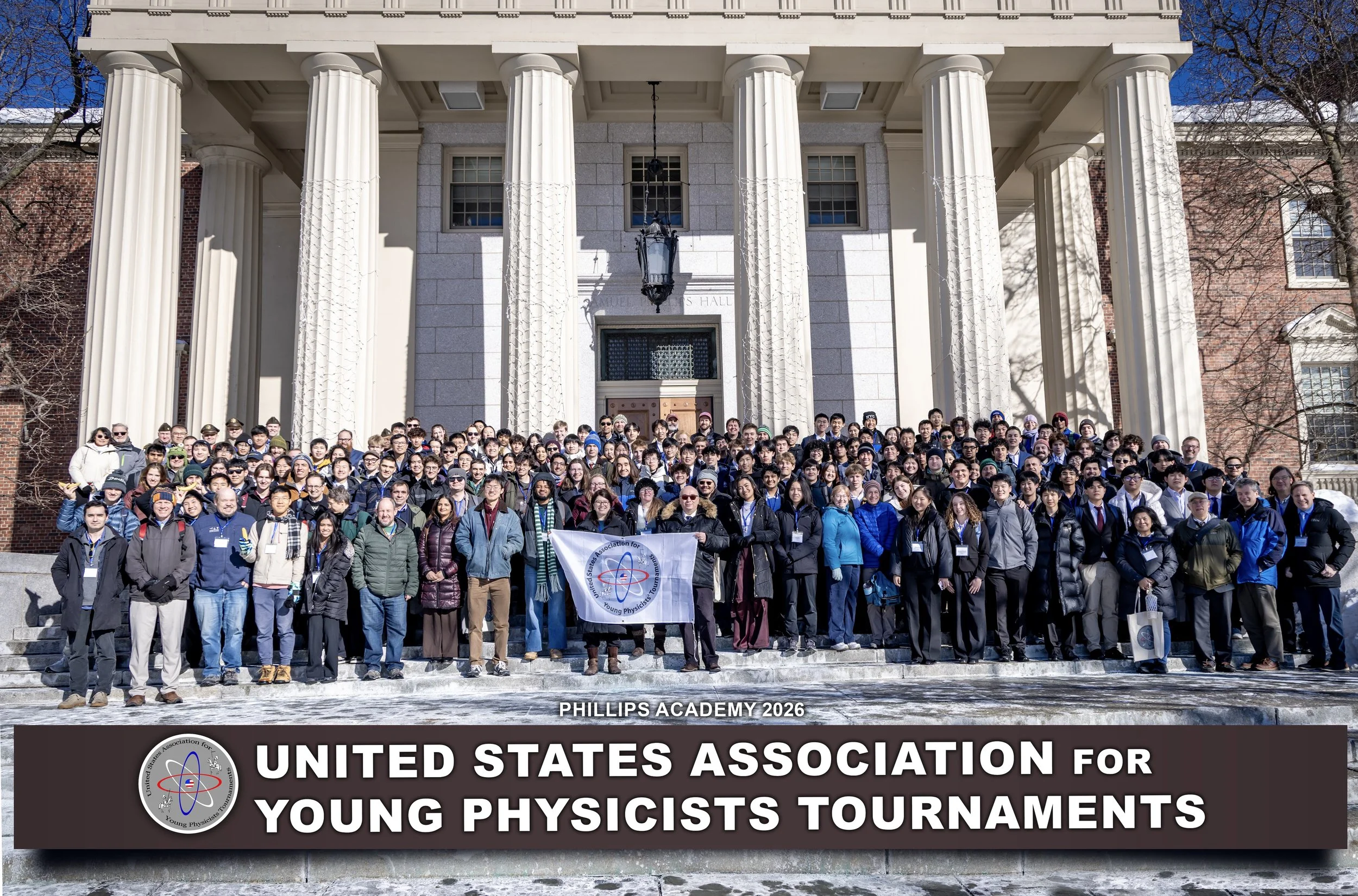
All schools and competitors
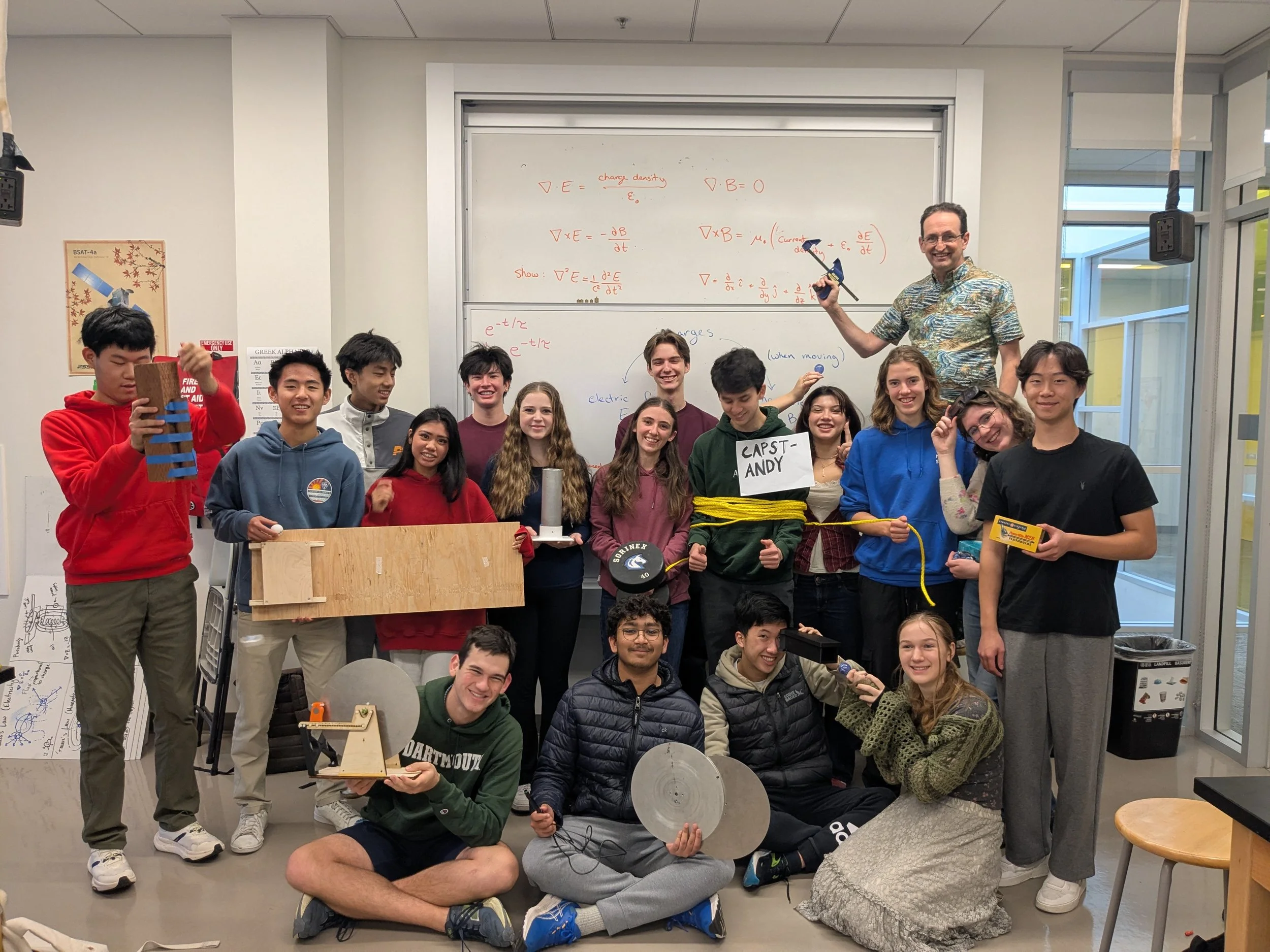
Our team with our experiments
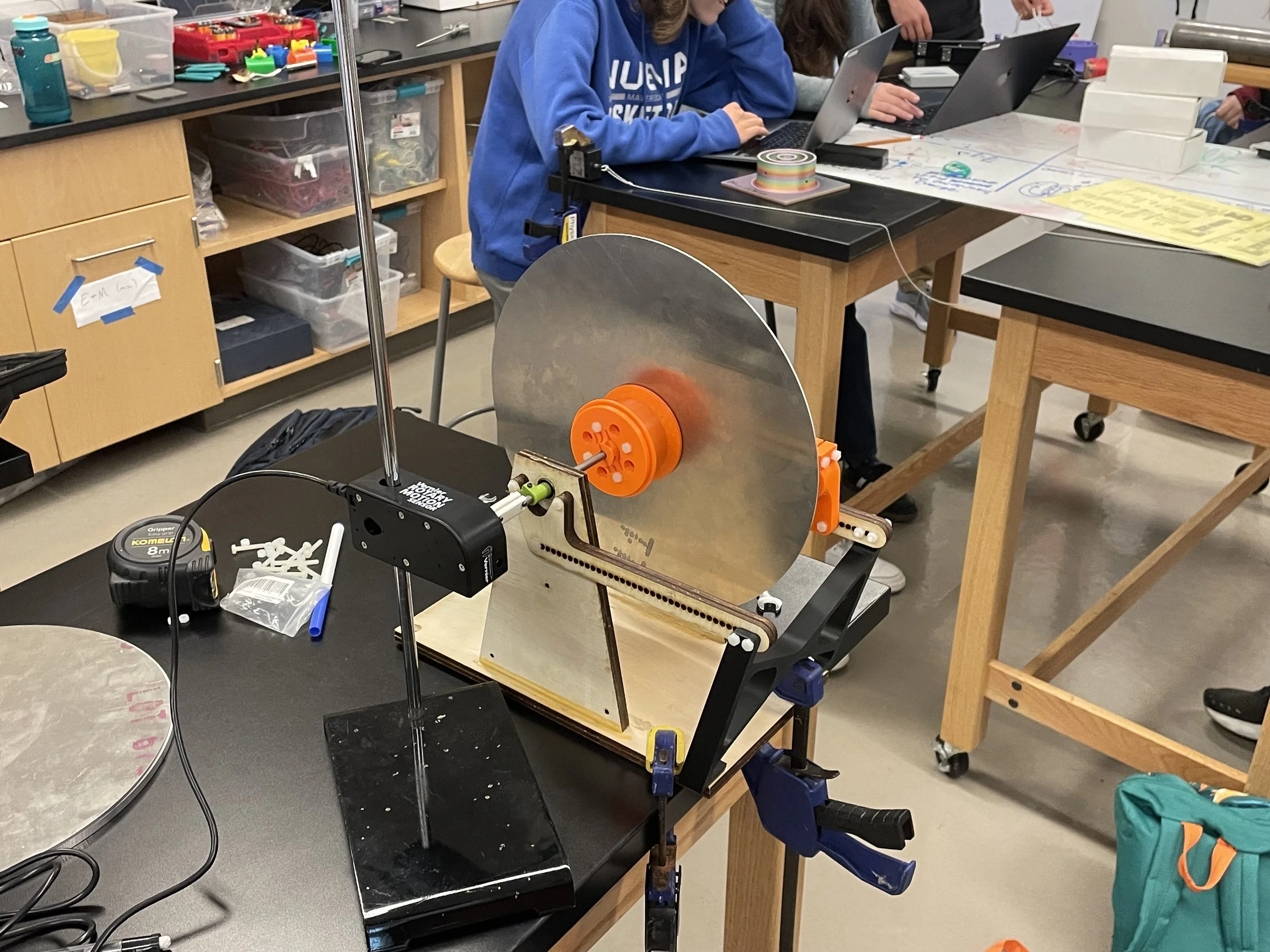
My disc brake
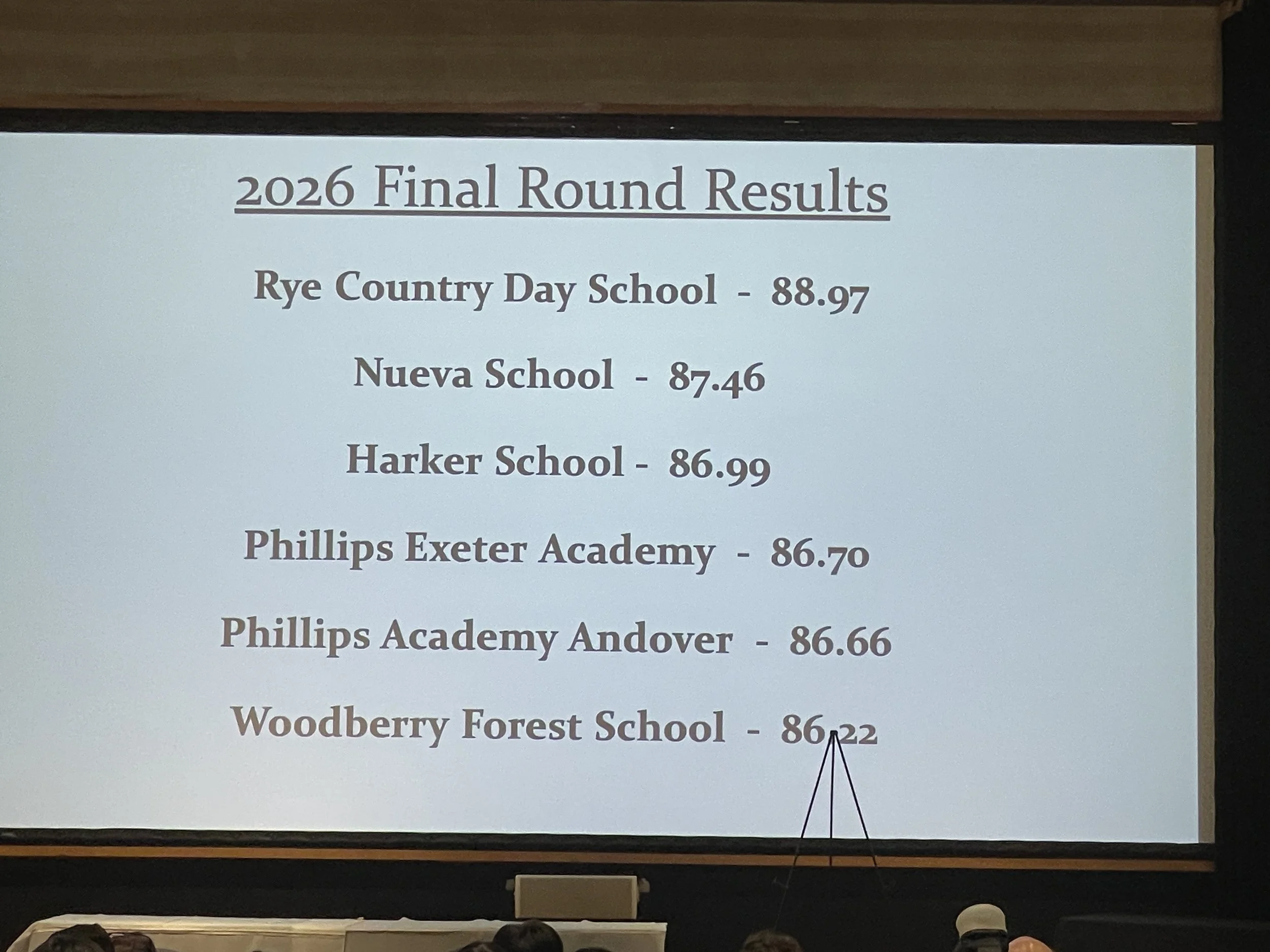
Final points results
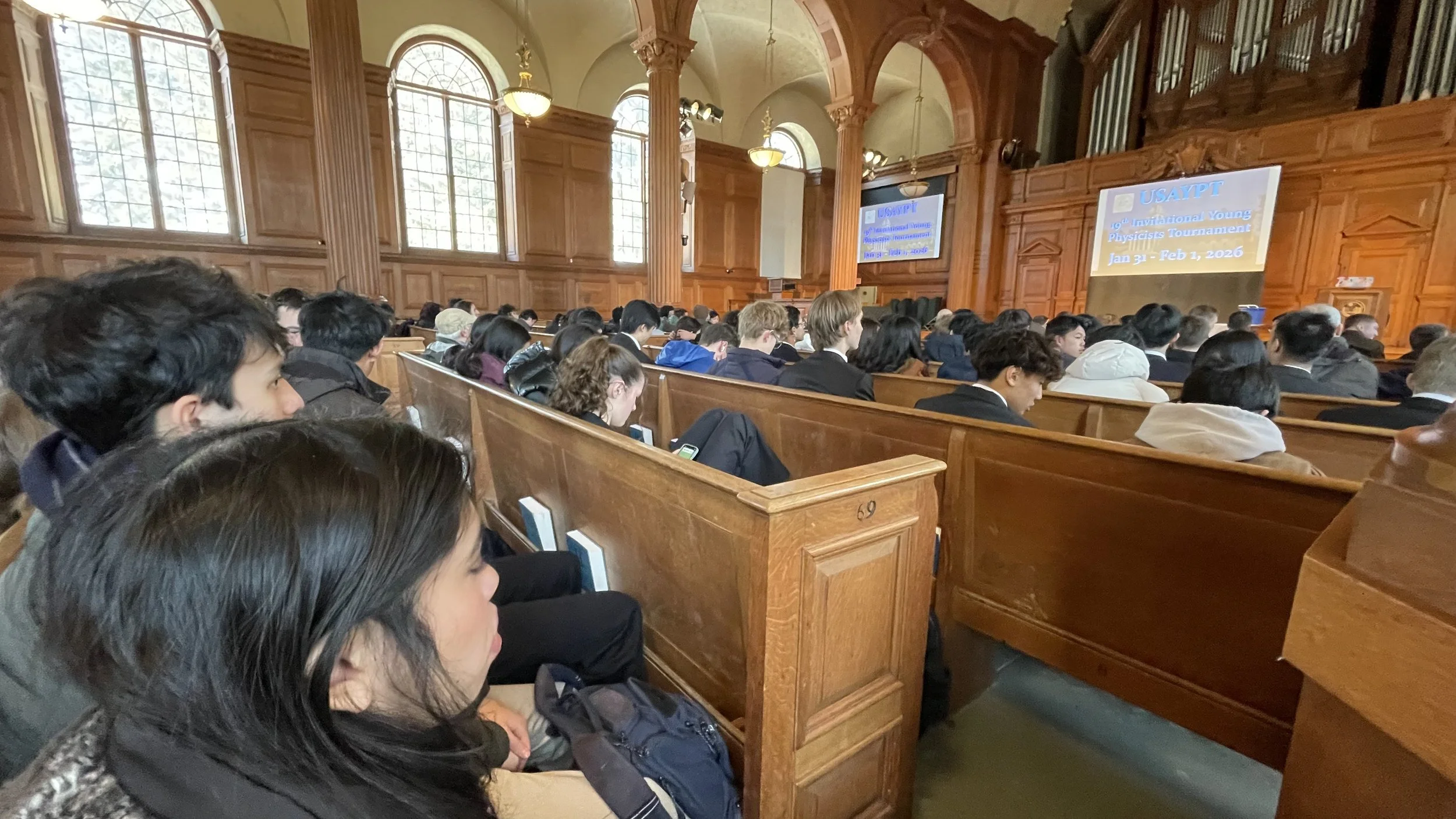
Kickoff meeting
Meeting with Nueva alumni
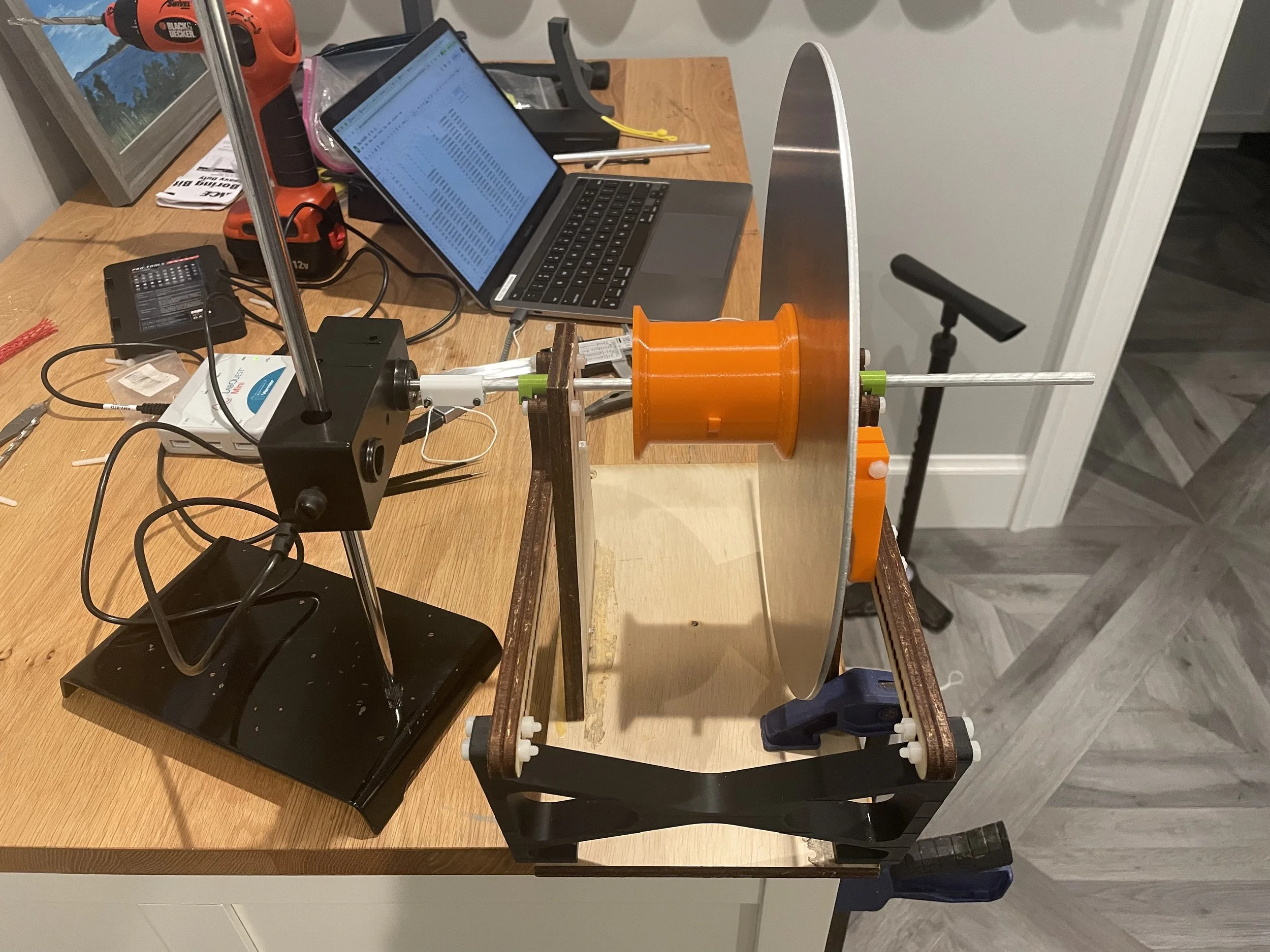
Disc brake measurement apparatus
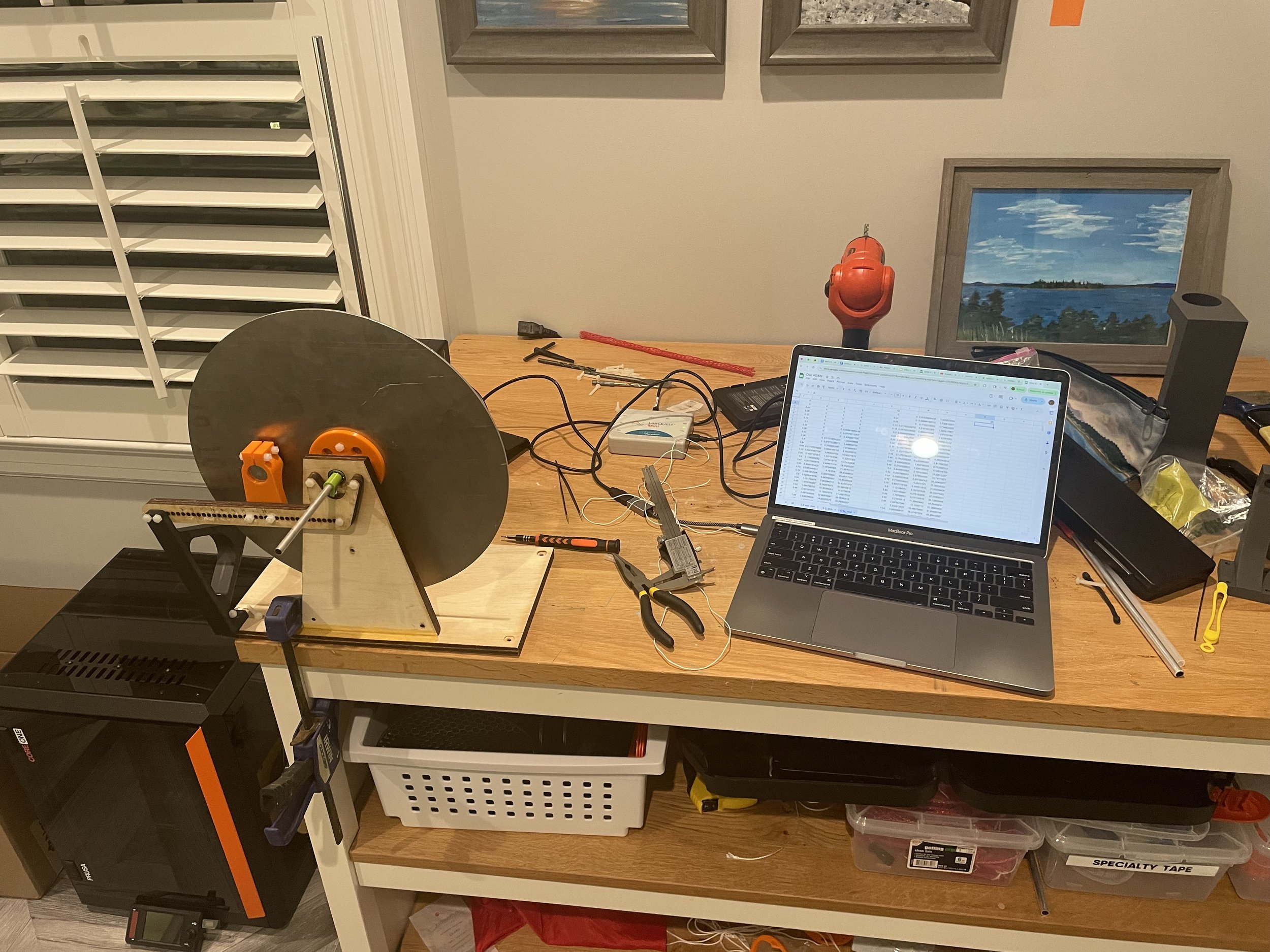
Disc brake measurement apparatus
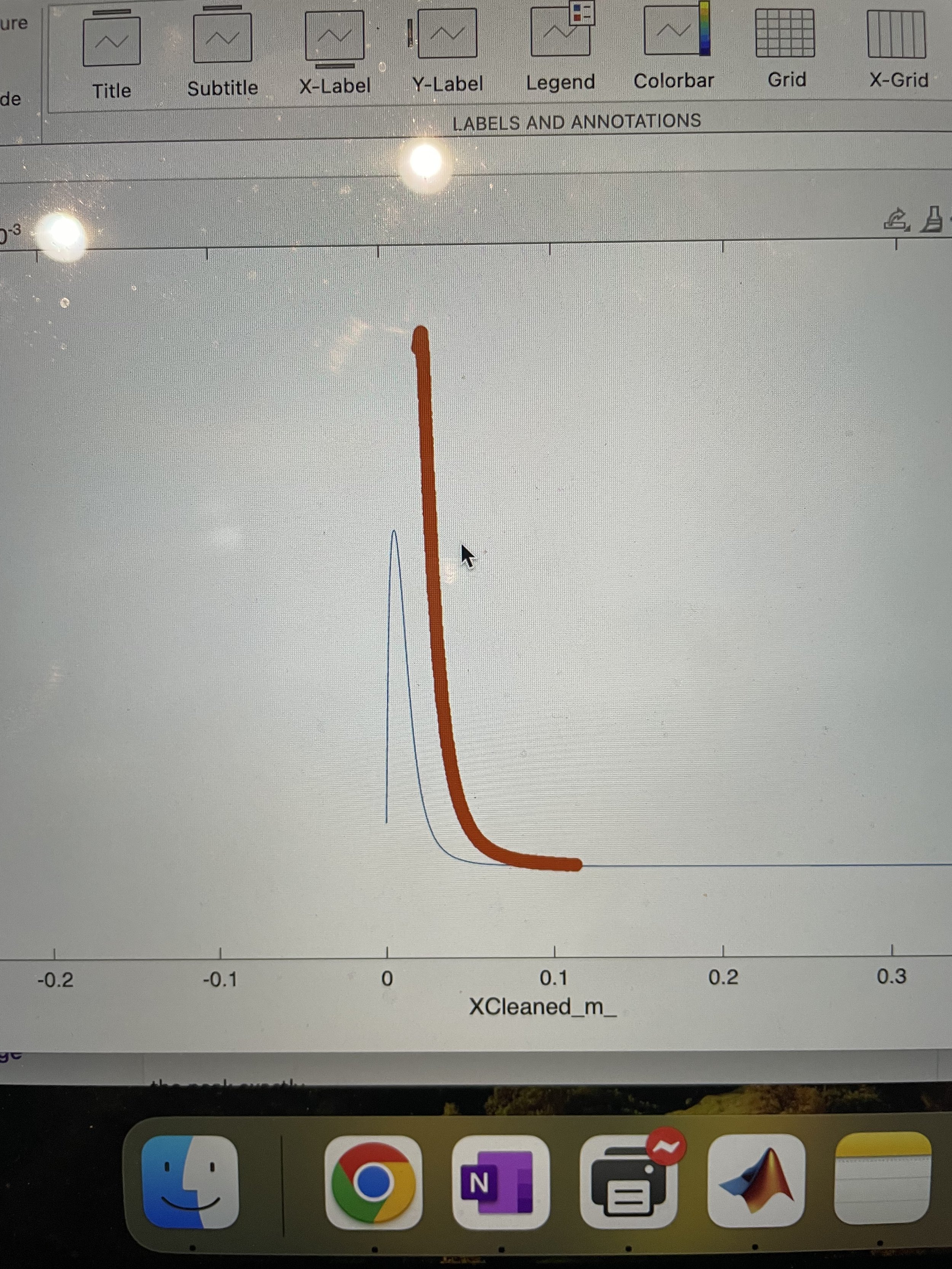
Data analysis in MATLAB

Andover campus at dusk

On the street in Boston
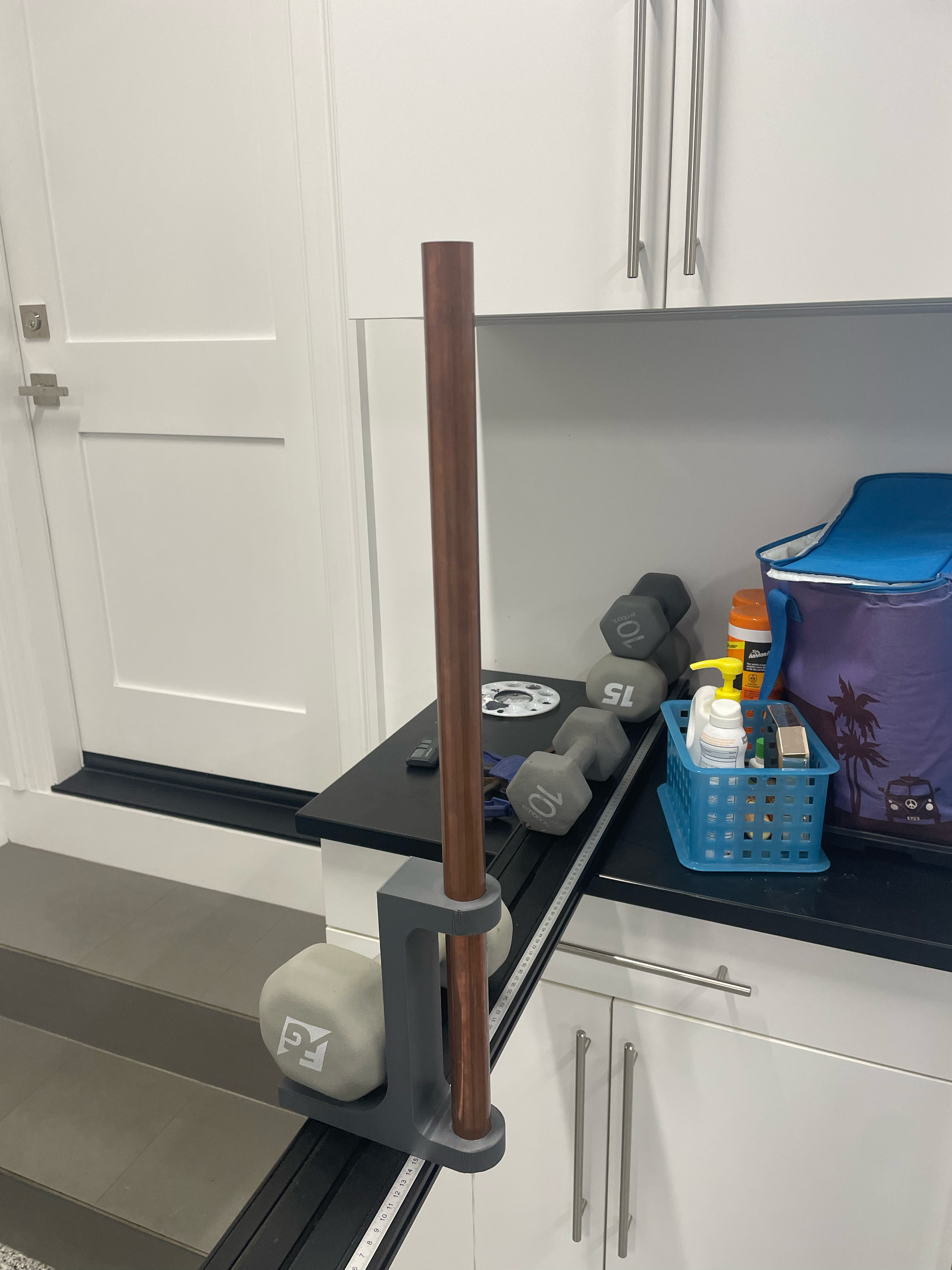
Terminal velocity magnet setup
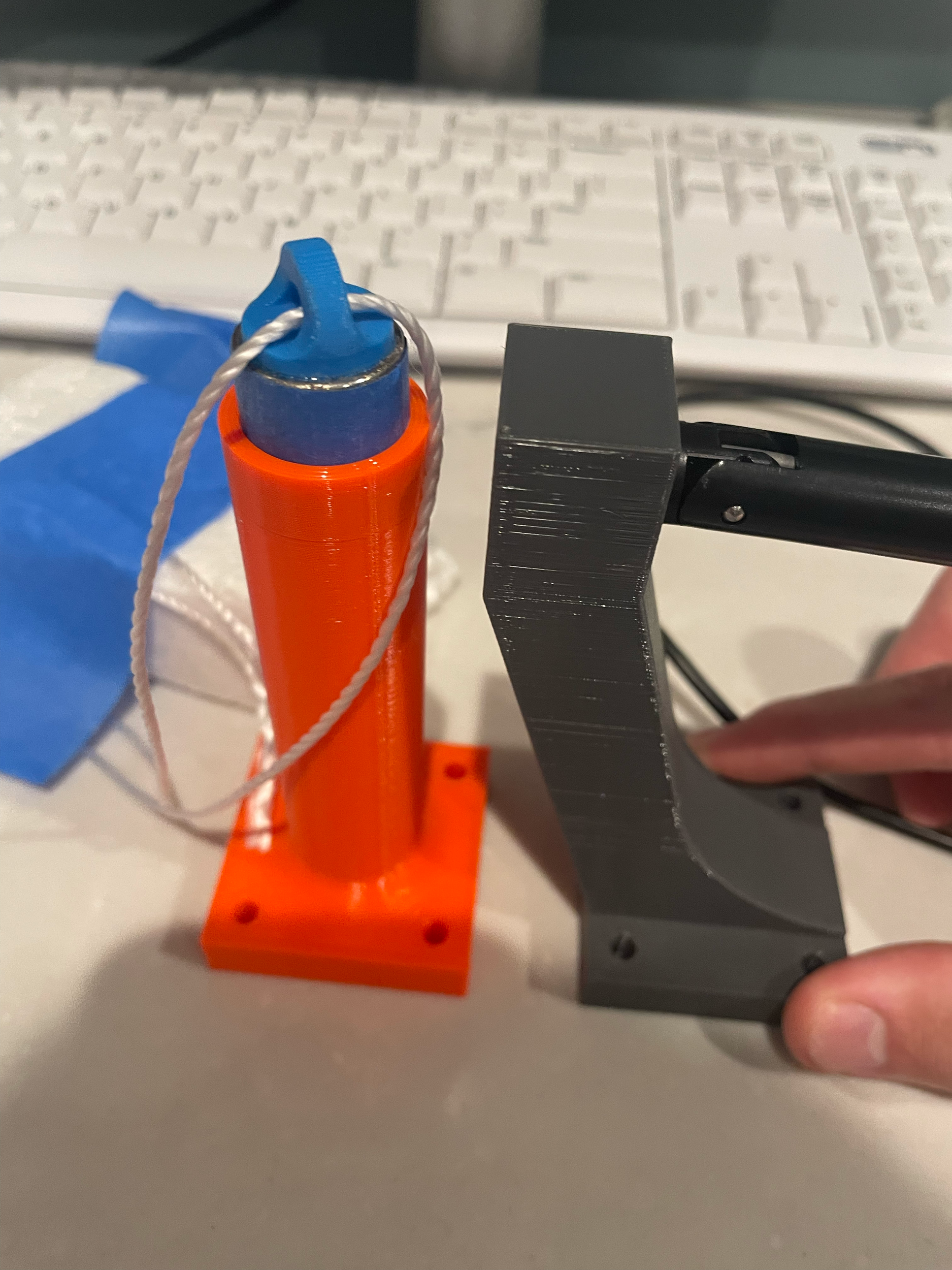
Magnetic field detector
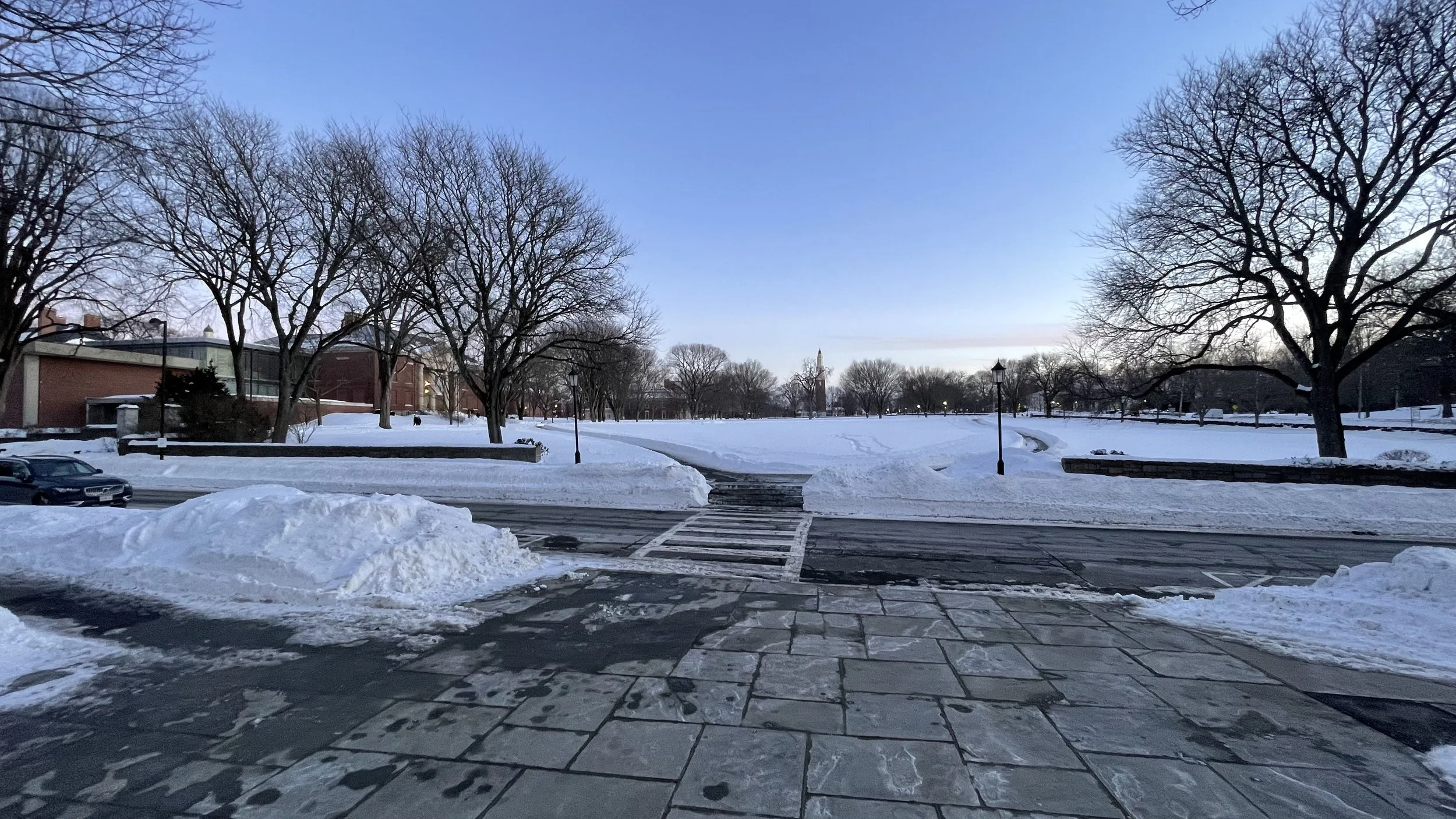
Andover campus